



Buying Guide
How to Buy a Self-Cleaning Cat Litter Box
This short guide helps you choose a self-cleaning litter box that fits your cat, home and schedule. It covers the key buying factors, the main types available, must-have specs, where to buy and quick expert tips so you can act fast and confidently.
Key factors to consider
Size and cat compatibility: consider the internal space and maximum weight the unit supports - some models accommodate small kittens only while others suit large cats or multi-cat homes.
- Waste bin capacity: look for bins that hold 10L or more for fewer weekly emptyings; larger bins can stretch to 10-14 days for a single cat.
- Cleaning method and safety: check for infrared and weight sensors that pause cycles when a cat is nearby.
- Noise level: quieter units (under about 40 dB) are better for bedrooms and anxious cats.
- App and connectivity: 2.4 GHz Wi-Fi apps can give fill alerts and health tracking but verify the app features and reliability.
- Maintenance and consumables: confirm what replacement bags, filters or gels are needed and how easy the drum or drawer is to empty.
- Budget and warranty: expect to pay several hundred dollars; prioritise models with a reasonable return window and responsive support.

Types and who they suit
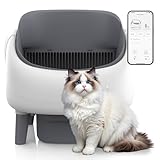
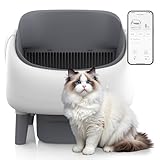
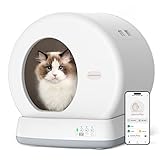
Open-top vs hooded: open-top units encourage easier entry and reduce claustrophobia, while hooded units trap odours better.
- Rake-style: a mechanical rake sifts clumps into a sealed bin. Good for people who want visible separation of waste.
- Rotating drum or sifting bowl: rotates to separate waste; often quieter and better for heavy use.
- App-connected smart models: offer usage logs and alerts, useful if you travel often or monitor health.
- Basic automatic models: fewer smart features, lower cost, simpler controls and less to troubleshoot.
Important specs, common mistakes and what to avoid
Must-check specs:
- Sensor redundancy - both infrared and weight sensors reduce false cycles.
- Litter compatibility - confirm it works with clumping, bentonite or tofu litter.
- Bin capacity and sealed storage - look for airtight seals and odor-blocking designs.
- Sound rating - under 40 dB is ideal; some units claim under 20 dB.
- Dimensions and footprint - measure the spot where it will sit, including clearance to open lids or drawers.
- Buying a unit too small for your cat or household.
- Ignoring noise specs and user reports about loud cycles.
- Assuming every model accepts all litter types.
- Overlooking ongoing costs for bags, filters or special liners.
- Skipping the return policy and support reputation check.

Where to buy and quick expert tips
Online advantages: wider selection, price comparison and many user reviews; check estimated shipping and return terms. Retail advantages: you can see size in person and ask staff questions. Practical buying tips:
- Measure your space and the cat's preferred litter area before buying.
- Read recent user reviews focused on reliability and customer service.
- Check availability and cost of replacement bags and filters in Canada.
- Plan an introduction: put the new box near the old one, leave it unplugged for a few days, then gradually enable automatic cycles.
- Keep a manual scoop handy when you travel or if the unit needs service.
Final Thoughts
Choose a model with adequate internal space, reliable sensors, a large sealed waste bin and quiet operation. Buy from a seller with a clear return policy and accessible replacement parts. Measure, read recent reviews and introduce the unit slowly to your cat so you get hands-free convenience without surprises.


