



Buying Guide
How to Buy a Foot Drop Brace
This short guide helps you choose a foot drop brace for walking support. It covers the main things to check, the common types, key features and specs, where to buy, mistakes to avoid and quick expert tips so you can act fast and confidently.
Key factors to consider before you buy
Know your goal. Are you looking for daily walking support, gait correction during rehab, or a temporary aid after injury? The answer affects how rigid or flexible the device should be.
Measure correctly. Check ankle circumference and shoe fit. Typical sizes in available products span roughly 8 to 15 inches (20 to 38 cm) around the ankle. Use the manufacturer size chart, not a guess.
Evaluate medical needs. If your condition involves nerve injury, stroke, MS or complex instability, consult a clinician before choosing a brace for long term use.
- Comfort and wear time: breathable, low profile and lightweight for all day use.
- Adjustability: tension levels or removable support plates let you tune support as you recover.
- Shoe compatibility: intended to be worn with lace up or looser shoes for best fit.


Types and important features to look for
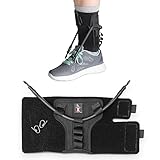
Soft AFOs: flexible fabric braces that lift the foot using straps or elastic tubing. Best for mild to moderate drop foot and daily comfort.
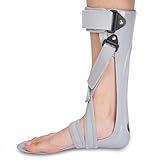
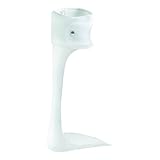
Semi-rigid AFOs with support plates: combine a soft sleeve with forefoot or arch plates of varying stiffness. These work well when you need extra lift but still want some flexibility. Some designs offer two plate hardness options so one brace can suit different recovery stages.
Key features and specs:
- Adjustable dorsiflexion support: multiple tension levels let you control toe lift during swing phase.
- Forefoot support plate: improves lift and alignment; removable or dual-hardness plates add versatility.
- Arch compression and cross straps: help stabilise inversion or eversion and improve balance.
- Open heel or toe designs: increase comfort and allow barefoot use, but check shoe fit recommendations.
- Non slip sole or rubber bottom: useful for home use and wet surfaces.
Where to buy, common mistakes and simple buying rules
Online retailers give range and price comparison. Expect prices in the market from about $47 to $91. Use online listings to check size charts, multiple photos and customer feedback. Confirm shipping, returns and customer support before buying.
Brick and mortar medical supply stores let you try on styles and get help with sizing. A physiotherapist or orthotist can provide a custom fit if off-the-shelf options are unsuitable.
Common mistakes to avoid:
- Buying without measuring your ankle and checking shoe compatibility.
- Choosing the most rigid option thinking it is always better. Too rigid can cause discomfort and gait changes.
- Ignoring left versus right options when side-specific designs are sold.
- Overlooking return policy and warranty for a device you may need to try for a few days.
Expert tips and quick recommendations
Start adjustable and work up. Begin with lower support and increase tension or switch to stiffer plate only if you still trip or drag the toe.
Test at home first. Wear the brace with the shoes you plan to use and walk on the surfaces you normally encounter.
Look for discreet, low profile options if you need to wear the brace to work or social outings. Breathable fabric and perforation reduce sweating on longer wear.
If your condition is complex or gets worse, seek a professional assessment for a custom orthosis. Keep straps and pads clean and replace worn fastenings promptly for consistent support.
Final Thoughts
Pick a brace that matches your support needs, fits your ankle and shoes, and offers adjustability for recovery changes. Buy from a source with clear sizing, returns and good customer service. If in doubt about severity or fit, get a professional fitting to avoid secondary problems.