
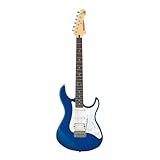



Buying Guide
How to Buy an Electric Guitar Starter Kit
This short guide helps you choose an electric guitar starter kit quickly and with confidence. It covers what matters most, the common kit types, key specs to check, where to buy, mistakes to avoid and practical tips you can act on right away.
What to consider first
Decide your priorities before shopping and use this quick checklist to compare options
- Budget: expect good starter kits in the $210 to $250 range; cheaper instruments often need more setup.
- Playability: neck profile, action and fret count affect comfort; look for a C-shaped neck and 22 frets if you want a familiar, easy feel.
- Included accessories: many kits include an amp, gig bag, tuner, cable, strap and picks. That saves money but check amp quality.
- Return and setup policy: confirm returns, warranty and whether the seller or store offers a professional setup.
- Shipping and condition: free shipping is common, but inspect for transit damage and missing parts on delivery.


Types of kits and pickup configurations
Know the common categories so you pick the sound and flexibility you need
- Solid body starter kits: lightweight, versatile and the most common for rock, blues and pop.
- Pickup setups: HSS or H-S-S arrangements give a humbucker for thicker tones plus single coils for clarity and cleaner sounds.
- Coil split and 5-position switches: these add tonal options and let a humbucker sound like a single coil without extra wiring work.
- Complete beginner bundles: come with a small practice amp and accessories so you can start right away.
Key features and specs to check
Focus on a few specific items that affect tone, tuning and playability
- Body and neck woods: poplar or agathis bodies are common in kits; maple necks provide stability and bright tone.
- Fingerboard: common types include rosewood-like or hardwoods; feel matters more than the name.
- Bridge and tremolo: vintage style tremolos allow vibrato but need extra setup for stable tuning.
- Tuning machines and hardware: check that tuning pegs move smoothly and hold pitch; cheap hardware is a frequent source of problems.
- Amp features: look for headphone jack and auxiliary input on small amps for quiet practice and play-along tracks.

Where to buy, common mistakes and expert tips
Decide between online deals and in-store testing and avoid common pitfalls
- Online: best for price and variety; read seller reviews, check return windows and expect a basic setup on arrival.
- In-store: allows you to feel neck profile and try the action; good for first time buyers who need fit confidence.
- Common mistakes to avoid: buying strictly on price, skipping a professional setup, ignoring return policy, and assuming the amp in a kit is gig-ready.
- Expert tips: budget for a professional setup, prefer kits with HSS for versatility, test neck feel before you buy or buy from a retailer with a solid return policy, and keep spare strings and a decent tuner on day one.
Final Thoughts
For fast results pick a starter kit that includes a tuner, gig bag and amp, but plan for a professional setup to fix action and intonation. If you can, try the neck in person or buy from a retailer with an easy return and warranty. Prioritize playability and hardware quality over cosmetic features so you enjoy playing and progress faster.


