


Buying Guide
How to Buy a Stand Mixer
This short guide helps you choose the right stand mixer by focusing on the practical factors that matter when shopping. It distills real product details so you can act fast and buy with confidence.
Key factors to consider
Capacity and use
- Choose capacity for your cooking: 5 quart is ideal for everyday home batches; 7 quart is better if you bake for a crowd or make large doughs.
- Look for robust motors and at least 10 speed settings so you can go from slow folding to high whipping.
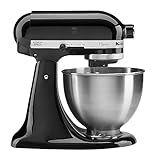
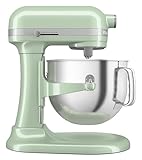
- Tilt-head models are easier to load and store. Bowl-lift designs offer extra stability for heavy doughs.
- Metal construction and quality touchpoints improve longevity. Check which accessories are included: flat beater, dough hook, wire whip, pouring shield and any flex-edge beaters.
- Expect typical prices in the mid hundreds of dollars; compare included tools and capacity when judging value.


Types and what they do
Tilt-head
- Pros: easier to add ingredients and attach tools; generally lighter and a good fit for most home bakers.
- Cons: slightly less stable under very heavy loads.
- Pros: stronger stability for large doughs and heavy mixing; better for commercial style use at home.
- Cons: usually larger, heavier and costs more.
- 5 quart: ideal for cookies, cakes and small to medium bread recipes.
- 7 quart: ideal for large batches, multiple loaves, mashed potatoes and high-volume baking.
- Some mixers offer many optional attachments to make pasta, ice cream or veggie noodles. Factor attachment availability into your decision.
Where to buy and common mistakes to avoid
Online versus retail
- Buy online to compare prices quickly and catch deals like free shipping or seasonal discounts. Buy in-store to test weight, finish and fit in your counter space.
- Buy from an authorised seller or the official store to ensure warranty coverage and genuine parts.
- Buying the wrong size: don’t buy a 7 quart if you only make small batches and have limited counter space.
- Ignoring included tools: a model with essential beaters and a pouring shield can save you from buying extras later.
- Assuming all models are the same: watch for differences in motor strength, speed range and bowl-lock type.

Quick expert tips
Actionable decisions
- Prioritise capacity and head type first, then motor power and speed range.
- If you make bread regularly, choose a bowl-lift or a model rated for heavy doughs.
- Prefer models that include a flex-edge beater or an edge-scraping attachment for better mixing results.
- Compare real prices: similar mixers often fall in the $340 to $430 range; look for seasonal deals and free shipping.
- Register your appliance right away and keep the receipt for warranty service.
- Place the mixer on a stable, non-slip surface and store attachments together so they are ready when you bake.
Final Thoughts
Decide size and head type based on how much you bake, confirm included accessories and motor capabilities, and buy from a reputable seller during a promotion for best value. Register the appliance and you will be ready to bake with confidence.