



Buying Guide
How to Buy a Home Office Desk
This quick guide helps you pick the right home office desk or workstation. It covers what matters most, the main types, key specs to check, where to buy, common mistakes to avoid and fast expert tips so you can act with confidence.
Key factors to consider and mistakes to avoid
Measure first and plan the layout:
Match the desk to how you work:
Watch for these common mistakes:
- Measure available floor space, doorway width and the clearance you need to sit and move.
- Sketch where monitors, printer and storage will go so you pick the right shape and depth.
Match the desk to how you work:
- If you use multiple monitors or share the surface, choose a wide desktop or L shaped layout.
- If you need better posture and movement, consider an electric height adjustable desk.
Watch for these common mistakes:
- Buying from photos without checking dimensions.
- Underestimating weight capacity for monitors and printers.
- Ignoring assembly notes and the fact some desks arrive in separate packages.
- Skipping return and warranty checks when buying online.


Types and who they suit
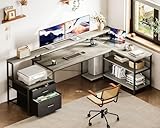
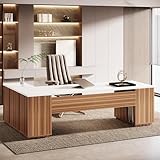
L shaped executive desks - Best for people who need lots of surface area and built-in storage. Typical widths seen: 71 to about 79 inches. They often include drawers, lateral file space and shelves.
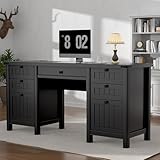
Long single desktops - Good value if you want a simple roomy work surface. These offer roomy desktops without heavy storage and are often less expensive.
Industrial style desks - Offer a rustic wood surface with metal frame. They are sturdy and affordable for those who want a durable look without built-in storage.
Electric height adjustable desks - Ideal for people who alternate between sitting and standing. Common desktop sizes around 47 x 24 or 48 x 24 inches, and height ranges from about 28.3 to 46.5 inches. Expect memory presets and quiet motors on higher quality models.
Price guideline based on available products: about $150 to $485. Choose based on features not only price.
Long single desktops - Good value if you want a simple roomy work surface. These offer roomy desktops without heavy storage and are often less expensive.
Industrial style desks - Offer a rustic wood surface with metal frame. They are sturdy and affordable for those who want a durable look without built-in storage.
Electric height adjustable desks - Ideal for people who alternate between sitting and standing. Common desktop sizes around 47 x 24 or 48 x 24 inches, and height ranges from about 28.3 to 46.5 inches. Expect memory presets and quiet motors on higher quality models.
Price guideline based on available products: about $150 to $485. Choose based on features not only price.
Important features and specifications to check
Dimension checklist:
Materials and build quality:
Storage and layout options:
Standing desk specifics:
Practical extras:
- Overall length and depth of the desktop.
- Height range for adjustable desks and leg clearance for fixed desks.
Materials and build quality:
- Look for metal frames and MDF or E0 grade board tops for stability and lower emissions.
- Scratch resistant finishes and sturdy joinery increase longevity.
Storage and layout options:
- Drawers, lateral file drawers and open shelves help avoid clutter.
- Printer cabinets and CPU stands are useful if you run multiple devices.
Standing desk specifics:
- Height range and number of memory presets.
- Motor performance: lifting capacity (example seen up to about 176 lb), noise level (look for under 45 dB) and lift speed.
- Safety features such as child lock or anti collision if available.
Practical extras:
- Cable management options and grommets.
- Certifications like ETL or FSC for safety and materials.
- Assembly time and whether parts are numbered or a video is provided.

Where to buy and expert tips
Online advantages and pitfalls:
Retail advantages:
Quick expert tips to act fast:
- Buy online for selection, competitive pricing and delivery options. Watch stock messages and shipping notes; some items ship in multiple packages.
- Read verified reviews and Q and A for real world notes on assembly, wobble and finish.
Retail advantages:
- Try stability and finish in person and check colours under store lighting.
- Bring measurements to test fit through doors and into your space.
Quick expert tips to act fast:
- If you need storage, prioritise an L shaped desk with a lateral file or cabinet.
- For long term health, choose an electric sit to stand desk with solid motor, memory presets and a tested height range.
- Confirm return policy, warranty and whether delivery includes curbside or room placement.
- Protect floors with a mat, use a surge protector for motorised desks and tighten fasteners after a few weeks of use.
Final Thoughts
Decide what you use most space for and pick the shape and features to match that use. Measure carefully, check key specs like weight capacity and height range, and confirm shipping and returns before buying. If you need both storage and space, choose an L shaped desk with drawers; if you need better ergonomics, invest in an electric adjustable desk with solid motor and memory presets.