





Buying Guide
How to Buy an Ergonomic Office Chair
This quick guide helps you pick the right ergonomic office chair for long hours at a desk. It covers what matters most, the main types, must-have features, where to buy, common mistakes, and practical buying tips you can use right away.
Key factors to consider
Fit and adjustability:
- Seat height range - make sure your feet sit flat on the floor with knees at about 90 degrees.
- Adjustable lumbar support and headrest - look for height and depth adjustment to hold your natural spine S-curve.
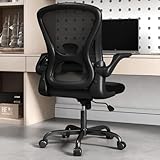
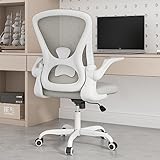
- Armrests - 3D adjustable (height, width, angle) or flip-up for tight spaces.
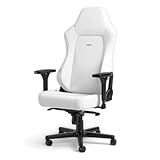
- Mesh back for breathability if you sit many hours; PU or leather for a more executive look and easier cleaning.
- Seat cushion design - waterfall front reduces pressure on the thighs; high-density foam avoids quick sagging.
- Weight capacity - choose a rating above your body weight; products range from about 150 kg to 150 kg+ (330 lbs) in this selection.
- Base and casters - metal or reinforced nylon base improves stability; silent casters for hard floors.
- Recline and tilt lock - useful angles in this group go from 90 to about 135 degrees for rest breaks.
- Warranty and safety testing - look for multi-year warranties and references to standards such as BIFMA or SGS testing.

Types and important features to look for
Main chair types you will see:
- High-back mesh task chairs - breathable, good for long sessions and general home office use.
- Padded executive chairs - PU or leather look, often with footrest and deeper padding for recline and rest.
- Big and tall chairs - reinforced frames and higher weight capacities and wider seats.
- Budget ergonomic chairs - basic adjustments, often limited lumbar and armrest options but good value.
- Adjustable lumbar support - not just a cushion but an adjustable mechanism.
- Headrest adjustment - angle and height for neck support.
- Armrest options - 3D adjustment or flip-up to tuck the chair under a desk or for activities like playing an instrument.
- Seat dimensions - width and depth should suit your body; look for listed seat measurements.
- Load-tested base and gas lift - ensures safety and lifespan.
Where to buy and common mistakes to avoid
Online vs retail:
- Buy online for selection, reviews, and shipping deals, but verify return policy and warranty handling with the seller.
- Try retail stores if you can sit in similar chairs first; this helps confirm comfort and fit before you order online.
- Check whether tools are included and watch assembly videos if available; many chairs in this set assemble in 15 to 30 minutes.
- Measure doorways, staircases and office space before ordering to avoid delivery and return hassles.
- Choosing a chair on looks alone - ergonomics and fit matter more than style.
- Ignoring weight capacity and base strength - lower rated chairs can fail sooner.
- Overlooking seat dimensions - too deep or too shallow seats cause discomfort.
- Assuming every 'ergonomic' label fits your body - test adjustments that match your proportions.

Expert tips and quick recommendations
Setup and use tips:
- Adjust seat height so feet are flat and thighs are roughly parallel to the floor; use lumbar adjustment to support the small of your back.
- Use tilt and recline to relieve pressure during breaks; lock at work-friendly angles when focused.
- If you sit 6+ hours a day choose breathable mesh and full adjustability even if it costs a bit more; expect practical prices in the range shown here.
- Pick flip-up armrests if you need to slide close to your desk or play an instrument.
- Prefer chairs with multi-year warranty and evidence of load testing for peace of mind.
- Confirm seat width and depth, weight capacity, and return window.
- Look for customer photos and assembly feedback in reviews to avoid surprises.
Final Thoughts
Prioritize adjustability, support, and a proven weight-rated base. Measure your space, test fit if possible, and buy from a seller that offers a clear return policy and warranty. With the right choices you will reduce fatigue and stay productive for years.


