



Buying Guide
How to Buy Desk File Organizers and Paper Trays
This short guide helps you pick the right desk file organiser or paper tray quickly. It covers what matters most, the common types available, key specs to check, where to buy, mistakes to avoid and quick expert tips based on current product styles and prices.
Key factors to consider
Size and capacity: measure the documents you use most often - A4 or letter - and check tray internal height (some trays are about 2.8" tall per tier).
Material and build: metal mesh gives good airflow and a durable lightweight build; MDF or wood looks more elegant and can double as a printer stand. Look for solid soldering or reinforced joints and anti-slip pads for stability.
Configuration and features: decide if you need stacked tiers only or extras such as a sliding drawer, pen holders, magazine rack or handles for portability. Adjustable or removable trays add flexibility.
Assembly and portability: many organisers snap together and require no tools, while others come with hardware. If you plan to move it often, choose one with handles and rubber feet.
Material and build: metal mesh gives good airflow and a durable lightweight build; MDF or wood looks more elegant and can double as a printer stand. Look for solid soldering or reinforced joints and anti-slip pads for stability.
Configuration and features: decide if you need stacked tiers only or extras such as a sliding drawer, pen holders, magazine rack or handles for portability. Adjustable or removable trays add flexibility.
Assembly and portability: many organisers snap together and require no tools, while others come with hardware. If you plan to move it often, choose one with handles and rubber feet.


Types and configurations
- Single or double letter trays - simple sorting for home or small desks.
- Multi-tier stacked trays (4 to 9 tiers) - high capacity for busy workspaces; some allow sliding out trays to increase per-tier clearance.
- Combo organisers - tiers plus drawer, pen cups and vertical slots for binders or magazines - good for smaller desks that need multi-function storage.
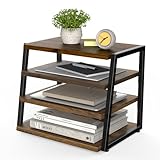
- Wooden shelving organisers - stylish, stable and good for visible display or as a small printer stand.
Important features and specifications to check
- Overall footprint and tray dimensions - confirm width, depth and per-tray clearance so folders fit without bending.
- Number of tiers and adjustability - more tiers increase capacity but reduce per-tray height; look for removable or sliding trays if you need taller space.
- Materials and finish - metal mesh resists dents and stains; coated MDF offers smooth finish and water resistance.
- Extras - drawers with dividers, detachable pen holders, magazine racks and handles add daily convenience.
- Stability and protection - rubber non-slip pads prevent sliding and protect desk surfaces.
- Price range - similar organisers typically range from about $34 to $43; pay extra for sturdier construction or added features.

Where to buy, common mistakes and expert tips
Online vs retail: buy online for wider selection and lower prices; check detailed photos, product dimensions and seller return policy. Buy in-store if you want to inspect build quality first. Common mistakes to avoid:
- Buying by appearance only - confirm dimensions and tray clearance.
- Choosing too many tiers without considering per-tier height - papers may curl or not fit.
- Ignoring stability - no non-slip pads or weak joints means tipping and desk scratches.
- Measure your most-used folders and your desk space before choosing a model.
- For everyday office use pick metal mesh with solid soldering and rubber feet.
- Choose a combo unit with a small drawer if you keep many small items like clips and sticky notes.
- If you want a neater look and occasional heavier loads, opt for a wooden organiser with hardware assembly.
- Look for products with tool-free assembly if you want quick setup; keep the packaging until you confirm fit.
Final Thoughts
Focus on fit, build and the specific features you will use daily. Measure first, prioritise stability and tray clearance, and choose the configuration that matches your paperwork habits. With those checks you can pick a durable, useful organiser that keeps your desk tidy and efficient.


