



Buying Guide
How to Buy Desk File Organizers and Desktop Accessories
This short guide shows what matters when buying a desk file organiser or related desktop accessory. It covers what to check before you buy, the main types you will see, key specs to compare, where to shop, common mistakes to avoid and quick expert tips to make a confident purchase.
Key factors to consider
Think about your workspace and daily workflow before you buy.
- Desk footprint and depth - measure the space where the organiser will sit and allow clearance behind monitors and screens.
- Capacity and document size - confirm it fits A4 or letter formats and has enough tiers or upright slots for your current files.
- Material and build - metal mesh and welded joins offer durability; look for non-slip pads and stable bases to prevent tipping.
- Extras that matter - drawers with dividers, removable pen holders, magazine racks and handles add real convenience.
- Budget and value - many well-equipped organisers fall in the low tens of dollars; compare features rather than price alone.


Types and who they suit
- Stacked letter trays - best if you need fast sorting by priority or project and want a low profile organiser.
- Multi-function organisers with drawer and pen holders - good for people who store small supplies and want a compact all-in-one unit.
- Upright file racks and magazine holders - ideal when you need visible, vertical storage for binders, magazines or thicker folders.
- Large-capacity towers and 9-tier organisers - suited to busy reception desks or study areas with lots of paper.
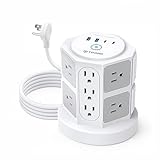
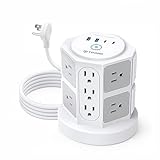
- Desktop power stations (tower surge protectors) - for people who also need to manage power and device charging at their desk; look for multiple outlets, USB and surge protection when choosing one.
Important features and specifications to look for
- Material and finish - metal mesh resists wear and keeps airflow; plastic parts are fine for removable pen cups but check fit and finish.
- Tiers and adjustability - 4 to 9 tiers are common; adjustable or removable trays let you create taller slots for folders.
- Drawer configuration - look for sliding drawers with segmented dividers for small items.
- Stability features - weighted bases, wide footprints and rubber feet prevent sliding and tipping.
- Dimensions - confirm overall width, depth and height so the unit fits your desk. Example reference dimension seen: about 33.5 cm wide x 22.9 cm deep x 33.5 cm high.
- Portability - handles or light weight help when you move the organiser between rooms.
- For power and charging stations - outlet count, widely spaced outlets for large adapters, USB types including USB-C, cord length (6 ft is about 1.8 m), low profile flat plug for furniture clearance and surge rating. A surge protector rated around 2100 J offers solid protection for home office gear.
- Safety and certification - on power products look for recognized safety marks relevant in Canada and clear overload protection or circuit breakers.

Where to buy, common mistakes and expert tips
- Online shopping - best for variety, reading many reviews, and comparing dimensions and specs. Check shipping and return policies. Look for listings that include clear images of dimensions and internal compartments.
- In-store shopping - useful to check build quality and stability in person before you buy.
Common mistakes to avoid
- Buying without measuring the available desk area and the depth required by trays or a power tower.
- Assuming every tray fits A4 or letter paper without checking dimensions.
- Overlooking stability and non-slip feet when choosing tall or multi-tier units.
- For power accessories, ignoring surge rating, cable length, or the need for USB-C charging.
Expert tips
- Measure first and add a small margin for cables and clearance.
- Choose metal mesh or welded construction for durability in daily use.
- Prefer units with adjustable trays and drawer dividers so the organiser adapts as your needs change.
- For mixed desk setups buy a compact organiser plus a separate power station with widely spaced outlets and at least one USB-C port.
- Buy from sellers that offer easy returns and clear product images showing interior compartments.
Final Thoughts
Decide on the format that matches how you work, confirm dimensions and materials, and prioritise stability and usable features like drawers, dividers and USB-C charging. Measure your desk, compare specs and buy from a seller with a good return policy so you can tweak your setup quickly.


