


Buying Guide
How to Buy Toys for 1-Year-Olds
This short guide helps you choose safe, developmentally useful toys for babies around 12 to 24 months. Use it to compare common toddler toys, spot important specs, avoid mistakes, and buy with confidence.
Key factors to consider
Age and stage: choose toys labelled for 12 to 24 months to match hand size, mobility and attention span. Safety: look for smooth edges, large parts that cannot fit in a child safety tester, non toxic materials and enclosed or guarded moving parts. Development goals: pick toys that target fine motor skills, hand eye coordination, balance or cause and effect depending on what you want to encourage. Durability and materials: plastic is washable and colourful, wood gives longevity and neutral tone, metal frames can offer light weight strength for ride ons. Practicalities: check weight, footprint and assembly needs so the toy fits your home and routine.


Main types you will see
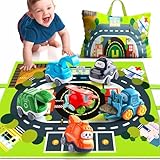
- Car ramps and race tracks - simple, single action toys that build visual tracking and cause and effect. Typical sets include multiple mini cars and 3 to 4 tracks.
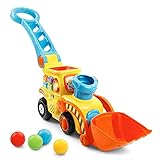
- Pound a ball and activity centres - combine tapping, spinning and sounds to improve fine motor skills and problem solving.
- Train and sorting sets - good for colour and number recognition, imaginative role play and stacking.
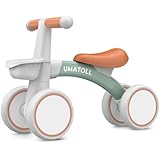
- Balance bikes and ride ons - designed for gross motor development and balance; look for adjustable seats, steering limiters and non slip wheels.
Important features and specifications to check
- Age rating and choking warnings - choose items sized for toddlers and confirm no detachable small parts for under 3.
- Materials and finish - ABS plastic that is BPA free or wood with water based paint are safe choices.
- Mobility and safety features for ride ons - enclosed wheels, a steering limiter and an adjustable seat with clear click locks.
- Wheels and surfaces - EVA or TPU wheels are quiet and non slip for indoor use.
- Assembly and footprint - note whether the toy is ready to use out of the box or needs simple assembly.
- Power needs - prefer passive toys or ones that do not require batteries unless you want lights or sound.
- Included pieces - count cars, balls or figures and consider storage for loose parts.
- Price and value - expect typical prices in the range of about $27 to $48 depending on materials and complexity.
Where to buy, common mistakes to avoid and quick expert tips
Where to buy: online stores offer more selection, customer reviews and frequent deals such as free shipping or seasonal sales. Local retailers let you inspect build quality and test fit for your child before buying. Check return policy and delivery estimates either way. Common mistakes:
- Buying toys with tiny removable parts for children under 3.
- Prioritizing lights and noise over play value and developmental benefit.
- Ignoring seat adjustability or safety limits on ride ons.
- Overlooking assembly requirements or the product footprint in your living space.
- Match the toy to a development goal: fine motor with pounding or sorting toys, gross motor with a balance bike.
- Choose open ended toys that keep giving as skills grow.
- Prefer non battery or simple battery options to avoid downtime and extra cost.
- Look for neutral material choices if you want a longer lasting heirloom style toy.
- Read recent customer photos and reviews to confirm size, colour and durability before buying.
Final Thoughts
Prioritize safety, developmental value and durability. For quick wins, pick one small-group activity toy such as a ramp or sorting set plus a single gross motor item if the child is ready. Check materials, assembly and return policy before you buy and take advantage of online deals for better value.