




Buying Guide
How to Buy Open‑Ear and Sport Wireless Headphones
This short guide walks you through what matters when buying open‑ear, bone conduction and sport-focused wireless headphones. Use it to match features to how you train, commute or swim and make a confident purchase quickly.
Key factors to consider
Fit and stability: Choose a form that stays put during your activity (earhooks, wing tips, wraparound or behind‑the‑neck).
Audio and call quality: Look for larger drivers for fuller sound and EN C or similar noise reduction for clearer calls. Expect tradeoffs between open‑ear safety and bass impact.
Battery life and charging: Check single‑charge hours and total hours with a case. Quick charge features can give hours of play from minutes of charging.
Waterproof rating: Pick an IP rating that matches usage. Higher IP numbers mean better water and dust resistance and are important for sweating, rainy runs and swimming.
Connectivity and features: Recent Bluetooth versions improve stability and latency. Built‑in MP3 storage is useful for phone‑free swimming. App support and firmware updates add value.
Price and warranty: Set a realistic budget and verify warranty and return options.
Audio and call quality: Look for larger drivers for fuller sound and EN C or similar noise reduction for clearer calls. Expect tradeoffs between open‑ear safety and bass impact.
Battery life and charging: Check single‑charge hours and total hours with a case. Quick charge features can give hours of play from minutes of charging.
Waterproof rating: Pick an IP rating that matches usage. Higher IP numbers mean better water and dust resistance and are important for sweating, rainy runs and swimming.
Connectivity and features: Recent Bluetooth versions improve stability and latency. Built‑in MP3 storage is useful for phone‑free swimming. App support and firmware updates add value.
Price and warranty: Set a realistic budget and verify warranty and return options.


Types and when to choose each
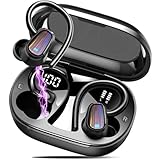
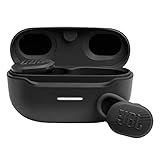
- True wireless in‑ear earbuds with sport hooks: Best for gym, running and everyday use when you want sealed sound and secure fit.
- Open‑ear bone conduction headphones: Choose these if you need situational awareness during outdoor training or cycling and prefer not to block ear canals.
- Waterproof open‑ear with built‑in MP3: Ideal for swimming, snorkelling or phone‑free pool workouts because Bluetooth often fails underwater.
- Hybrid options (Bluetooth plus onboard storage): Useful if you want both streaming and phone‑free playback.
Important features and specs to check
Bluetooth version and codecs: Newer Bluetooth (5.x) improves range and pairing stability. Low latency codecs help for video and gaming.
Battery numbers: Compare earbud runtime and case capacity. Real world runtime is often lower than marketing claims, so allow a 10 to 25 percent margin.
IP rating explained: IP67/IP68 or similar indicate protection from dust and immersion. For swimming look for IP68 or specifically stated swim capability. Sweatproof is enough for running.
Controls and usability: Decide between touch controls or physical buttons for reliable use during workouts. Check if controls manage volume, tracks and calls.
Call quality: Look for ENC or multi‑mic setups for clearer voice pickup in noisy environments.
Built‑in storage: If you plan to swim without a phone, choose models with onboard MP3 storage (16GB to 32GB common). Remember Bluetooth does not transmit sound well underwater.
Fit accessories: Extra ear tips, stabilizers or a charging case with a clear battery indicator add to convenience.
Battery numbers: Compare earbud runtime and case capacity. Real world runtime is often lower than marketing claims, so allow a 10 to 25 percent margin.
IP rating explained: IP67/IP68 or similar indicate protection from dust and immersion. For swimming look for IP68 or specifically stated swim capability. Sweatproof is enough for running.
Controls and usability: Decide between touch controls or physical buttons for reliable use during workouts. Check if controls manage volume, tracks and calls.
Call quality: Look for ENC or multi‑mic setups for clearer voice pickup in noisy environments.
Built‑in storage: If you plan to swim without a phone, choose models with onboard MP3 storage (16GB to 32GB common). Remember Bluetooth does not transmit sound well underwater.
Fit accessories: Extra ear tips, stabilizers or a charging case with a clear battery indicator add to convenience.

Where to buy, mistakes to avoid and expert tips
Buy with confidence: Try in a store for fit and comfort when possible. Online is fine for price comparison but check return policy and authorised sellers.
Common mistakes to avoid:
Common mistakes to avoid:
- Assuming waterproof equals swim ready. Verify the IP rating and manufacturer guidance for submersion.
- Buying solely on battery or loudness specs without testing fit.
- Ignoring app support and firmware updates that fix bugs and improve performance.
- Trusting generic icons for battery life; look for real user reviews about long term battery health.
- Match the type to your primary use: sealed in‑ear for noise and bass, open‑ear for safety, MP3 equipped for swimming.
- If you run in traffic choose ambient or open‑ear options so you can hear cars.
- Bring spare ear tips and a charging cable when testing in store or on a trial run.
- If you need long sessions without charging look for multi‑day total hours from the case rather than just single charge figures.
- Set a budget tier: entry level for casual use, mid range for more reliable battery and fit, premium for swim proofing and advanced features.
Final Thoughts
Decide first how and where you will use the headphones, then prioritise fit, waterproofing and real world battery life. Try for a hands‑on fit when you can, verify the IP rating for swim use and check return and warranty terms before buying. Choosing the right type up front saves returns and delivers better performance in the field.


