



Buying Guide
How to Buy a Fitness Tracker
This quick guide helps you choose a fitness tracker that fits your routine and budget. It summarises the most important factors, the main types available, key specs to check, where to buy, common pitfalls, and expert buying tips based on current product offerings.
Key factors to consider
Decide how you will use the device and prioritise features accordingly.
- Primary goal: basic activity and sleep tracking, training and detailed workout metrics, or smart features like calls and voice assistant.
- Sensors: continuous heart rate, SpO2, HRV and stress tracking improve insight for health and recovery.
- GPS: built-in GPS is best for solo outdoor training; connected GPS (uses your phone) saves battery.
- Battery life: ranges from a few days to several weeks. Longer life is useful if you track sleep and wear it 24/7.
- Comfort and size: lightweight bands suit all-day wear; check included strap sizes and extras.
- Water resistance: check the rating for your activities (hand washing, showering, swimming or diving).
- App and ecosystem: ease of syncing, privacy, and whether features require a paid subscription.


Types and key features to compare
Know the common categories so you buy the right device for your needs.
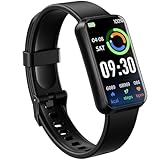
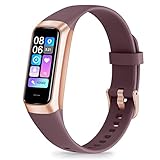
- Basic activity bands: focus on steps, sleep and battery life. Best for casual users who want long battery life and simplicity.
- Advanced fitness trackers: 24/7 heart rate, sleep staging, stress scores, and multiple sport modes. Good for serious training without a full smartwatch experience.
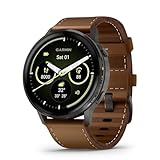
- Sport-focused watches: built-in GPS, advanced workout metrics and route mapping for runners and cyclists.
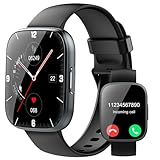
- Smartwatch-style trackers: larger screens, Bluetooth calling, voice assistants and app notifications. Expect shorter battery life but more convenience.
- Display size and type: larger, higher-resolution screens are easier to read during workouts.
- Battery claim versus real use: advertised 10 days or 20 to 30 days can vary depending on GPS and notifications.
- Water rating: 1 ATM allows light splashes, IP68 or 5 ATM better for swimming.
- Bluetooth version and calling: newer Bluetooth gives more stable connections and lower power use; mic and speaker enable on-wrist calls.
- Number of sport modes and GPS modes: more modes plus dedicated GPS options give finer workout data.
- Warranty and return policy: check seller warranty length and return window.
Where to buy and common mistakes to avoid
Online offers convenience, pricing transparency and more models, while stores let you try before you buy.
- Online shopping: compare specs, read recent reviews, check seller reputation and watch for promo savings and free shipping. Confirm return policy and warranty registration process.
- Retail stores: try size, screen readability and strap comfort; ask staff about firmware support and app compatibility.
- Buying only on price: very low-cost models may lack reliable sensors or ongoing software support.
- Ignoring battery-life impact: voice, calling, always-on display and GPS drain batteries fast; factor real-world usage.
- Assuming medical accuracy: consumer trackers give useful trends but are not substitutes for medical devices.
- Overlooking subscriptions: some devices include trial memberships; confirm ongoing costs before you buy.
- Forgetting compatibility: ensure the companion app works with your phone OS and version.

Expert tips and quick recommendations
Keep this short checklist when shopping.
- Pick built-in GPS if you run or cycle without your phone.
- Choose at least daily heart rate and sleep tracking for meaningful insights.
- Target a minimum of 7 days battery for daily wear, or 10 plus days if you want less frequent charging.
- For swimming choose IP68 or 5 ATM rating; for casual wear 1 ATM is not enough.
- Prefer devices with a clear warranty and easily accessible customer support.
- Check whether the app is subscription-free or includes a paid premium tier; that affects long-term cost.
- Use price bands as a guide: budget-friendly models under about $80 suit casual users, $80 to $140 tends to offer stronger sensors, GPS or additional health tools.
Final Thoughts
Match features to how you train and live. If you want basic monitoring and long battery life, choose a simple band. If you need accurate workout data and built-in GPS, move up to a sport-focused tracker. Always check real-world battery claims, app requirements and warranty before you buy.