


Buying Guide
How to Buy Kitchen Utensil Sets
This short guide helps you pick the right kitchen utensil set quickly. It covers the most important buying factors, the main types available, the key specs to check, plus where to buy and common mistakes to avoid. Use these tips to choose a set that fits your cookware, cooking style and budget.
Key factors to consider
Think about what you cook and what your cookware needs. Important considerations are material, heat resistance, and whether pieces are safe for nonstick surfaces. Set size matters - a 6 piece will cover basics while 20+ piece kits add gadgets you may not use. Also check maintenance - some materials are hand wash only. Finally, set a budget: expect basic sets from about $25 and full kits up to $50 based on the examples provided.


Main types and who they suit
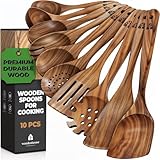
- Wood utensils - Best for nonstick pans and a natural look. They are lightweight, non-reactive and biodegradable, but need hand washing and occasional oiling.
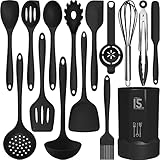
- Silicone utensils - Heat resistant and flexible. Good for nonstick cookware and available in large sets that include gadgets. Check the maximum temperature rating; some are rated around 230 C / 446 F.
- Stainless steel utensils - Extremely durable and dishwasher safe. Great for high-heat use and metal cookware, but can scratch nonstick surfaces.
- Combo or gadget sets - Include knives, peelers, measuring spoons and holders. Handy for a one-stop purchase, but verify quality of every included item since some extras can be low quality.
Important features and specifications to check
- Heat resistance - Look for a specific temperature rating for silicone. If you sear at high heat choose metal or high-temp silicone.
- Nonstick friendliness - Choose wood or silicone for coated pans to avoid scratching.
- Construction - One-piece or single-material heads are less likely to crack or separate. Avoid glued or thin plastic joints.
- Dishwasher safety - Stainless and some silicone pieces are dishwasher safe; most wood should be hand washed.
- Core tools included - Ensure the set has a spatula, slotted spoon, serving spoon, ladle, tongs and a whisk at minimum for everyday cooking.
- Ergonomics and weight - Handles should feel comfortable and balanced. Lightweight materials are easier for long cooking sessions.

Where to buy, common mistakes and expert tips
Online shopping gives variety, user reviews and easy price comparison. Check return policies and shipping costs. In-store shopping lets you test weight and handle comfort. Common mistakes to avoid:
- Buying an oversized set because it seems like a bargain - you may never use many pieces.
- Assuming all items in a set are the same quality - inspect review images and comments for weak tools.
- Using metal on nonstick cookware - that shortens pan life.
- Putting wood in the dishwasher - it can crack or warp.
- Match the utensil material to your cookware - wood or silicone for nonstick, stainless for stainless or cast iron.
- Prioritise essential pieces first if you need to save money.
- For wood, rub a light food-safe oil now and then to keep it from drying out.
- Look for single-piece construction and explicit food-grade or BPA-free labels for safety.
Final Thoughts
Choose a set that matches your cookware and daily needs rather than the largest kit. For most kitchens, a mid-size silicone or wood set plus a couple of stainless tools covers everything. Check heat ratings, cleaning requirements and included tools before you buy to get the best value.