



Buying Guide
How to Buy an Office Chair
This quick guide helps you pick the right office chair for home or small office use. It covers the most important factors, the common types, key specifications to check, where to buy, mistakes to avoid and simple expert tips so you can act fast and buy with confidence.
What to consider before you buy
Prioritize fit and function over style. Look at these essentials:
- Weight capacity - Standard chairs support about 150 kg (330 lb); big and tall options go to 180 kg (400 lb) or more.
- Seat dimensions - Check seat width and depth so your thighs are supported without the front edge pressing into the knee.
- Adjustability - At minimum you want seat height, tilt/recline with tension control and lumbar support. Better models add adjustable headrests and 2D/3D armrests.
- Material and breathability - Mesh keeps you cool; PU leather or padded seats feel cushioned and look executive but trap heat more.
- Base and casters - Metal bases last longer; match casters to your floor (hard-floor casters for wood/laminate, carpet casters for low pile).
- Certifications and warranty - Look for BIFMA/SGS tests and a multi-year parts warranty to protect your purchase.


Types of office chairs and when to choose them
- Mesh ergonomic chair - Best for breathability and long daily use; look for adjustable lumbar and head support.
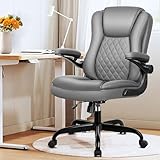
- High-back executive chair - Padded and stylish, often with PU leather and thicker cushions; choose this for occasional reclining and a formal look.
- Big and tall chair - Wider seat, thicker cushion and reinforced base for higher weight capacity and larger frames.
- Task chair with flip-up armrests - Good for tight spaces or multipurpose use like instrument playing or moving under the desk.
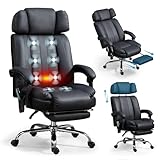
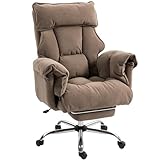
- Reclining chair with footrest - Pick this if you want to rest or nap while working; confirm the recline range and mechanism quality.
Where to buy, common mistakes and a quick shopping checklist
Online lets you compare prices and read many user reviews; retail lets you test feel and adjustments in person. Consider shipping cost, return window and whether the seller provides replacement parts. Common mistakes to avoid:
- Buying by appearance only without testing adjustability or seat measurements.
- Ignoring weight rating or seat dimensions - an undersized chair causes discomfort quickly.
- Skipping reviews on durability - look for reports on gas-lift failures, cushion sag and noisy casters.
- Forgetting assembly and returns - confirm the seller includes hardware and clear return policies.
- Seat width and depth match your body.
- Adjustments you need are present and easy to use.
- Weight capacity meets or exceeds your need.
- Warranty covers parts for at least 1-3 years and seller support is responsive.

Final Thoughts
Choose a chair that fits your body, not just your budget. If you sit many hours pick a mesh or ergonomically adjustable chair with certified durability and a solid warranty. Test adjustments in-store when possible, or buy from a seller with a generous return window. Use the checklist above to narrow options quickly and make a confident purchase.