


Buying Guide
How to Buy a Memory Foam Seat Cushion
This short guide helps you pick a memory foam seat cushion for office, car, gaming or wheelchair use. It covers the must-check factors, the main cushion types, key specifications, where to buy, common pitfalls and quick expert tips so you can decide fast and confidently.
Key factors to consider
Intended use - Office, car, wheelchair or travel will change the size and height you need.
- Fit and dimensions - Measure your chair seat width, depth and any armrest clearance. Some cushions are extra large (for example about 19 x 17 x 3 inches) while others are narrower.
- Firmness and support - Look for high density memory foam for long lasting support. Some cushions are soft and plush, others are firm and orthopedic. Firm options are better for posture and spinal support; plush options feel softer but may compress faster.
- Height lift - Check thickness. 2 to 3 inches is common for lift without changing seatbelt fit in vehicles.
- Cover and hygiene - Removable, machine washable covers are essential if you use the cushion daily.
- Grip and stability - Non slip bottoms or textured bases prevent sliding on office chairs and car seats.
- Portability - Handles and lightweight designs matter if you move the cushion between car, office and home.
- Certifications - Look for foam certifications that indicate low emissions and safe materials.

Types and important features
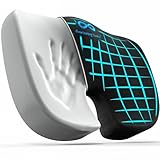
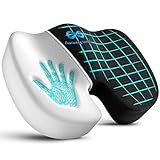
- Standard memory foam pad - Simple, often ventilated and portable. Good all-round option for most users.
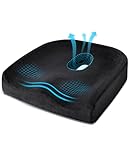
- U-shaped / coccyx cut-out - Has a cut-out or contour at the rear to reduce tailbone pressure; helpful for post-surgery, hemorrhoids and coccyx pain.
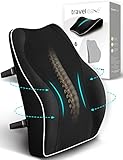
- Integrated lumbar and seat - Built-in lumbar support suits users who need back and seat support in one piece.
- Firm orthopedic pad - Designed to keep spine alignment; recommended for long sessions and people with chronic back issues.
Key specs to compare before buying:
- Exact dimensions and thickness.
- Foam type and density - higher density = firmer, longer lasting support.
- Cover material - mesh for breathability, velvet for plush feel, removable and machine washable preferred.
- Anti-slip base, carry handle, and any ventilation channels.
- Weight recommendations or load limits where provided.
Where to buy and quick buying tips
Online pros - wide selection, customer reviews, product Q and A and frequent deals. If you buy online: check measurements, read real user photos and reviews, confirm return policy and shipping costs. Many options offer free shipping and periodic deals.
Retail pros - you can sit on cushions to test firmness and feel. Visit stores if you must test a specific firmness or material.
Simple checklist before checkout:
Retail pros - you can sit on cushions to test firmness and feel. Visit stores if you must test a specific firmness or material.
Simple checklist before checkout:
- Confirm dimensions match your chair.
- Check that the cover is removable and washable.
- Look for non slip base and a handle if you move it often.
- Choose a seller with easy returns or a trial period.
- Compare price versus included features - extra-large size and certified foam may cost more but last longer.

Common mistakes to avoid and expert tips
- Buying by photo only - firmness and actual size matter more than the cover photo shows.
- Ignoring height - too thick a cushion can change seating angle and cause knee or belt issues in vehicles.
- Skipping washable covers - stains and sweat build up quickly with daily use.
- Assuming all memory foam is the same - density and construction determine durability and support.
Expert tips:
- Measure your seat and compare to the cushion dimensions; allow extra depth for the coccyx cut-out if you have long thighs.
- Pick firmness based on body weight and your pain profile - heavier users often need firmer, high density foam.
- Allow a short break-in period - some cushions require a week or two to feel right.
- Use a breathable cover or mesh top if you sit long hours to reduce heat build up.
- Rotate and air your cushion occasionally and follow washing instructions to extend life.
- If you have medical issues, consult a clinician for a recommendation on shape and firmness.
Final Thoughts
Measure your seat, choose the right firmness and thickness for your body and use, prioritise a removable washable cover and a non slip base, and buy from a seller with a clear return policy. With those checks you will find a comfortable, long lasting memory foam seat cushion that suits your daily routine.