



Buying Guide
How to Buy Castor Oil
This quick guide helps you choose castor oil for hair, skin, nails or castor oil packs. It highlights what matters most, the main types on the market, key specifications to check, where to buy and practical tips so you can buy with confidence.
Key factors to consider
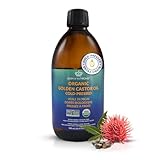
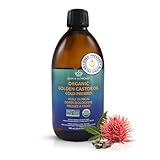
Purity and extraction method: choose cold pressed and hexane free for the most natural, nutrient-rich oil.
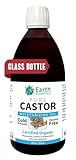
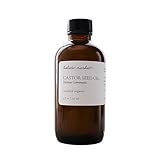
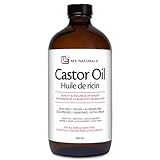
Packaging: amber glass protects oil from light and heat; some bottles come with silicone or BPA free pumps for precise dispensing.
Certifications and testing: look for certified organic, third-party lab testing, or a Health Canada Natural Product Number (NPN) if you want regulatory oversight.
Size and price: common sizes range from about 500 mL up to 1 L; compare price per mL if you use it often.
Intended use: thicker, unrefined oils are ideal for hair masks and packs; lighter, refined options may be easier to blend for skincare.
Packaging: amber glass protects oil from light and heat; some bottles come with silicone or BPA free pumps for precise dispensing.
Certifications and testing: look for certified organic, third-party lab testing, or a Health Canada Natural Product Number (NPN) if you want regulatory oversight.
Size and price: common sizes range from about 500 mL up to 1 L; compare price per mL if you use it often.
Intended use: thicker, unrefined oils are ideal for hair masks and packs; lighter, refined options may be easier to blend for skincare.

Types and categories
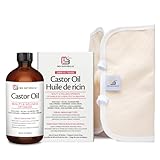
- Certified organic, cold pressed, unrefined - retains most nutrients and commonly labelled golden or virgin.
- Refined or solvent-extracted - lighter texture but may involve chemical processing.
- Medicinal-grade - licensed products may carry a Natural Product Number and dosing instructions for specific uses.
- Packaging categories - amber glass bottles for long-term storage, PET plastic for travel, bottles with pumps or droppers for easier application.
Important features and specs to check
Extraction details - cold pressed and hexane-free are preferred for topical use.
Packaging material - amber glass is best for shelf life; if plastic, choose non-leaching PET and BPA free pumps.
Third-party testing - look for batch testing or lab results to confirm purity and absence of solvents.
Certifications - USDA or other organic certification, and Health Canada NPN if the product claims medicinal use.
Volume and value - typical prices in the selection range from about $30 to $39, so calculate cost per 100 mL and pick a size that matches your usage.
Packaging material - amber glass is best for shelf life; if plastic, choose non-leaching PET and BPA free pumps.
Third-party testing - look for batch testing or lab results to confirm purity and absence of solvents.
Certifications - USDA or other organic certification, and Health Canada NPN if the product claims medicinal use.
Volume and value - typical prices in the selection range from about $30 to $39, so calculate cost per 100 mL and pick a size that matches your usage.

Where to buy, mistakes to avoid and quick tips
Online vs retail - buy online for wider selection and customer reviews; buy from reputable sellers and verify product images and description. Buy in-store if you prefer to inspect packaging and check seals.
Common mistakes to avoid:
Common mistakes to avoid:
- Assuming all castor oil is the same; extraction and packaging change quality.
- Using internally without medical advice.
- Buying large bottles before confirming skin tolerance.
- Ignoring packaging; plastic can leach and light exposure degrades oil.
- Do a patch test on inner forearm before regular use.
- Warm a small amount between palms or mix with a carrier oil to reduce stickiness for hair or lashes.
- Store in a cool, dark place and use amber glass for longer shelf life.
- If you plan frequent use, choose a bottle with a pump for cleaner dispensing.
- Compare price per mL and third-party test results rather than only the advertised claims.
Final Thoughts
Pick cold-pressed, hexane-free oil in amber glass if you want the best shelf life and potency. Start with a mid-size bottle to test tolerance, check for third-party testing or certification, and buy from a reputable seller. Follow patch testing and storage tips to get reliable results quickly.