



Buying Guide
How to Buy Kids Play Tables and Activity Furniture
This short guide helps you choose the best kids play table or activity centre for your child. It covers what matters most, the types you will see, the important features to check, where to buy, common mistakes to avoid and easy expert tips to help you act fast.
Key factors to consider
Think about who will use it and where it will live. Age, available floor space and the childs play style determine the right design.
Use this quick checklist before you buy.
- Age and growth: Choose low tables and seat heights for toddlers and convertible options for kids who will use it for several years.
- Safety and materials: Prefer rounded corners, pinch-free lids and sturdy materials that resist tipping. Solid wood lasts longer but plastic can be easier to clean.
- Size and footprint: Measure the room, allow clearance for chairs and play, and check assembled dimensions.
- Storage and cleanup: Built-in bins, drawers or under-table storage make daily cleanup fast.
- Compatibility: If your child uses building bricks or wooden trains, confirm the tabletop works with those systems.
- Budget: Expect to spend roughly between $150 and $210 for durable, feature-rich options based on comparable products.


Types and important features to look for
Know the main categories and what features matter most for each.
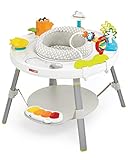
- Stationary activity centres: Include a padded seat that often rotates and grows with the child. Look for clinical design input, sturdy base and how it converts as the child learns to cruise.
- Play tables with built-in themes: Train tables or building tables include tracks, themed graphics and accessories. Check that trains connect securely and that accessories store easily.
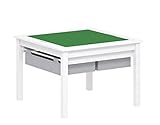
- Building brick tables: Flat or raised studs that are compatible with major brick brands and include storage bins or collapsible compartments.
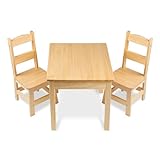
- Table and chair sets: Solid wood sets are durable and can support heavier loads. Check seat height (for example, an 11 inch seat is common for toddlers) and weight capacity per chair.
- Convertible multi function tables: These add whiteboard/blackboard surfaces, flip-top storage, book racks and drawers. Verify hinge safety and ease of cleaning.
- Key specs to check: assembled dimensions, weight capacity, number of storage bins, whether smaller parts are removable, cleaning instructions and assembly complexity.
Where to buy and common mistakes to avoid
Decide between online shopping and showroom shopping based on what you need most.
- Online: Better selection, customer reviews, comparison of features and frequent free shipping or savings. Double-check product dimensions, return policy and shipping timelines.
- Retail showroom: See build quality, test stability and confirm seat comfort in person. Bring a tape measure to check fit in your home.
- Common mistakes to avoid: buying without measuring the space, ignoring weight limits and age recommendations, choosing a lid or hinge that can pinch fingers, overlooking storage needs and assuming compatibility with bricks or tracks without checking.
- Check assembly: Some options require significant assembly. If you need fast use, prioritise models with simple setup or offered assembly services.

Expert tips and quick recommendations
- Measure first: Confirm assembled size and clearance in the play area before buying.
- Prioritise safety: Rounded corners, pinch-free lids and stable legs reduce injuries.
- Choose based on play style: Select a train-themed table for track play, a brick-compatible surface for building, or a convertible activity centre for early developmental stages.
- Look for storage built in: Drawers and slide-out bins speed cleanup and extend the life of the product.
- Prefer durable materials if you want longevity; solid wood is more repairable and resells better.
- Check seller policies: Read return, warranty and replacement-part options when buying online.
- Quick buy rule: If you want one versatile item, pick a convertible design with storage and an easy-to-clean surface.
Final Thoughts
Pick a table that matches your childs age and primary activities, confirm dimensions and safety features, and favour models with built-in storage and durable materials. Buy online for selection and price checks or in-store if you need to test fit and feel. Prioritise safety and longevity to get the best value.