




Buying Guide
How to Buy a Fitness Smartwatch or Activity Tracker
This short guide helps you quickly choose the right fitness smartwatch or activity tracker by focusing on what matters: use case, must-have features, where to buy and common pitfalls to avoid.
What to consider and main device types
Decide how you will use the device before anything else.
- Primary use: everyday activity, running, swimming, strength training or general health tracking.
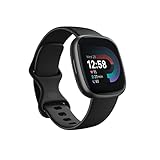
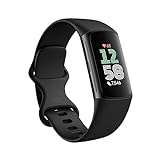
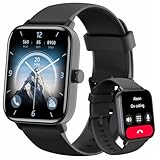
- Form factor: slim wrist band for long battery and discreet tracking; full smartwatch for larger screen, calls and apps.
- GPS: built-in GPS for accurate outdoors tracking; connected GPS (uses your phone) for lower battery use but less convenience.
- Battery life: expect a range from about 4 to 11 days depending on display and features.
- Price bands from the sample products: roughly CAD 140 to CAD 280. Decide your budget and which features you will actually use.

Features and specifications to prioritise
Look for these practical features and know why they matter.
- Continuous heart rate and SpO2: good for trends and sleep analysis but not a medical diagnosis.
- Sleep tracking and sleep score: useful for improving recovery and daily readiness.
- Built-in GPS and route mapping: essential if you run or cycle without your phone.
- Water resistance to at least 50 metres: needed for swimming and showering.
- Workout modes and automatic exercise detection: 30 to 40+ modes cover most activities and save manual logging.
- Battery versus display trade-off: bright AMOLED screens look great but reduce battery life compared to low-power screens.
- Extras to check: mobile payments, onboard music, voice assistant, included bands and trial subscriptions for advanced analytics.
Where to buy and mistakes to avoid
Choose between online convenience and trying in person.
- Buy online from reputable retailers for better deals and wider stock; read return policy and warranty details first.
- Visit a retail store if fit, screen readability and strap comfort are priorities; try both sizes if available.
- Check smartphone compatibility for maps, payments and notifications; some features may only work fully on one phone OS.
- Common mistakes to avoid: ignoring battery life, assuming every model has built-in GPS, overlooking strap sizing, and treating health metrics as clinical measurements.

Quick expert tips and recommendations
- If you run or cycle outdoors often, choose a model with built-in GPS and reliable heart-rate tracking.
- If long battery is critical, prioritise basic displays and power-saving modes over bright AMOLED screens.
- Try the strap sizes included; many devices ship with S and L bands but confirm fit for your wrist.
- Use included trial subscriptions to evaluate premium analytics but note auto-renewal terms.
- Buy during major sales to save; compare final price after tax, shipping and any bundled accessories.
- Protect the screen and buy an extra strap for different activities (sport strap and a dress strap).
Final Thoughts
Pick the device that fits your primary activity, phone and daily routine. Prioritise built-in GPS if you train outside, choose the display and battery life that match how often you will charge, and confirm fit before committing. Use trials to test advanced features and buy from a retailer with a clear return policy.


