



Buying Guide
How to Buy Kids STEM and Active Play Toys
This short guide helps you choose toys that build skills and get kids moving. It covers what to look for, the main types available, key specifications, where to buy, common mistakes to avoid and quick expert tips so you can decide fast.
Key factors to consider
Start with age and ability: choose the product's recommended age range and match complexity to the child. Prioritise safety: non toxic materials, rounded edges and parts large enough for younger children. Think about play style: do they prefer hands on building, active outdoor play or imaginative electronic play? Consider durability and weather resistance for outdoor sets, and whether moving parts need batteries or recharging. Check storage and portability if you want easy tidy up and travel. Finally, look at included instructions and support so children can build independently or with minimal help.


Types and categories
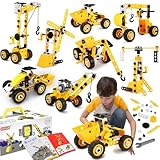
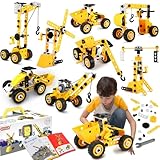
- Building and STEM kits: multi model construction sets that teach engineering and problem solving. Good for quiet, educational play and group projects.
- Active outdoor sets: combination toys that promote running, jumping and throwing. Best for energy release and gross motor skills development.
- Electronic novelty toys: voice changers, lights and music that boost imaginative play. Choose these when you want screen free but tech flavoured fun.
Important features and specifications
- Age rating and complexity: match the piece count and assembly steps to the child's attention and fine motor skills.
- Piece count and storage: more pieces increase play options but need a sturdy storage box to avoid missing parts.
- Materials and finish: non toxic plastics, smooth edges and washable surfaces reduce safety and cleaning worries.
- Moving parts and power: check if motors, remotes or lights require batteries or come with USB charging. Rechargeable is cheaper long term.
- Sound and volume control: for musical or voice toys, volume and echo control keep play neighbour friendly.
- Instructions and learning value: step by step guides and multiple builds extend play life and teach sequencing.
- Portability and packaging: a carrying case and compact packaging help if you plan to travel or store seasonally.
- Certifications and warranty: look for safety certifications and a simple returns policy in case of missing parts or defects.

Where to buy, mistakes to avoid and expert recommendations
Where to buy
- Online: better selection and price comparisons. Read multiple reviews and check seller return policy and shipping times.
- In store: useful for inspecting size, weight and finish in person. Ideal for last minute gifts and avoiding shipping delays.
- Buying above the child’s practical skill level which leads to frustration.
- Ignoring small parts warnings for toddlers.
- Overlooking replacement parts availability or unclear assembly guides.
- Choosing the cheapest option without checking materials and reviews.
- Match one active toy and one building toy to balance movement and cognitive play.
- When buying construction kits pick one with clear instructions and a storage box.
- Prefer rechargeable electronics for lower long term cost and fewer discarded batteries.
- Save proof of purchase and check return windows and warranty for missing parts.
- Look for seasonal deals but prioritise safety and reviews over lowest price.
Final Thoughts
Pick a toy that fits the child’s age, play style and your lifestyle. Aim for a mix of active and STEM play, check safety and power requirements, and buy where you can confirm return and replacement policies. With those checks you will choose a toy that is fun, safe and keeps giving value.


